


Upgrade Your Curb Appeal with Expert Fence Repair Services

Enhance Your Property with Expert Fence Repair and Installation Services in Long Island
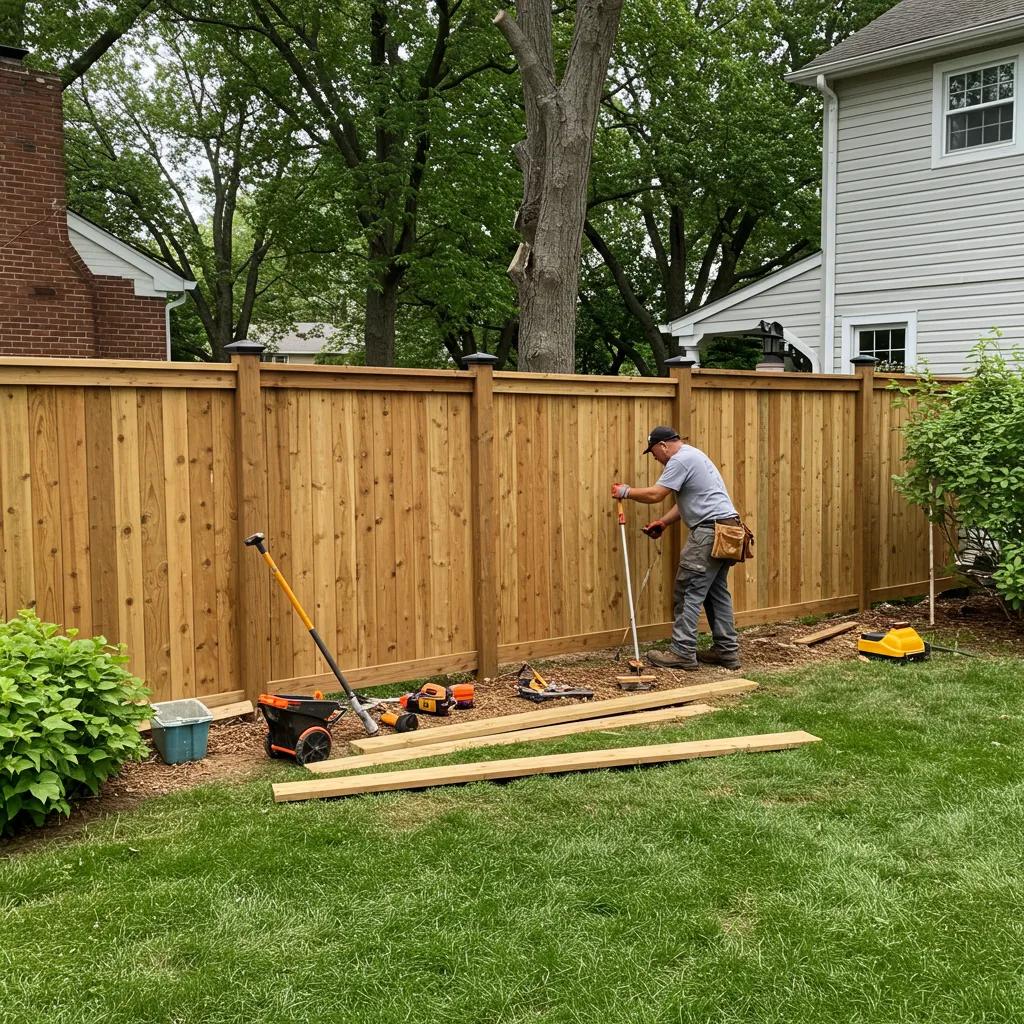
A well-installed and maintained fence protects privacy, improves security, and elevates curb appeal for Long Island homes while clearly defining property boundaries. This article explains how professional fence repair and fence installation in Long Island address common homeowner problems like leaning posts, rotted boards, and outdated materials, and it outlines practical choices for wood, vinyl, aluminum, and chain link systems. You will learn how to choose the best material for your site and goals, understand typical repair and installation costs, and navigate local permit requirements that affect Suffolk County properties. The guide also describes the repair process, seasonal maintenance actions to extend lifespan, and customization options that balance aesthetics with performance.
Why Choose Elite General Contracting Group for Fence Installation and Repair in Long Island?
Professional fence installation and repair begin with a clear inspection, accurate material selection, and hands-on knowledge of local site conditions to ensure long-term performance. Choosing experienced contractors reduces the risk of premature failure by addressing soil conditions, post-setting depth, and corrosion-resistant hardware from the outset. Proper project management—scheduling, procurement, and on-site coordination—keeps timelines predictable and minimizes homeowner disruption while delivering consistent workmanship that preserves property value. For homeowners on Long Island seeking both exterior upgrades and complementary services, Elite General Contracting Group offers residential services and local support to help plan and execute fence projects alongside related exterior work. The company provides free estimates and local project guidance while keeping the primary focus on delivering durable, compliant fencing solutions for Suffolk County homeowners.
What Makes Our Fence Services Stand Out in Suffolk County?
Our fence services focus on local conditions and pragmatic solutions that reduce long-term maintenance while improving performance in coastal and suburban environments. Technicians prioritize correct post-setting, rust-resistant materials near salt air, and hardware choices that limit corrosion and movement over time. Project communication includes clear timelines and walkthroughs so homeowners know milestones from permit checks to final inspection. These local practices result in fences that retain alignment and appearance longer, reducing repeat repairs and enhancing overall value for property owners.
How Does Our Commitment to Quality and Customer Satisfaction Benefit You?
A commitment to quality means using proven installation methods that minimize rot, leaning, and hardware failure, which directly reduces lifecycle costs for homeowners. Clear communication and written estimates help set expectations for timing, scope, and cost, and routine follow-up ensures any minor issues are addressed promptly. Prioritizing durable materials and proper installation yields better aesthetic outcomes and fewer emergency repairs, which protects both enjoyment and resale value. This focus on practical outcomes makes projects easier to manage for busy Long Island homeowners and supports long-term investment in the property.
Which Fence Materials Do We Specialize In?
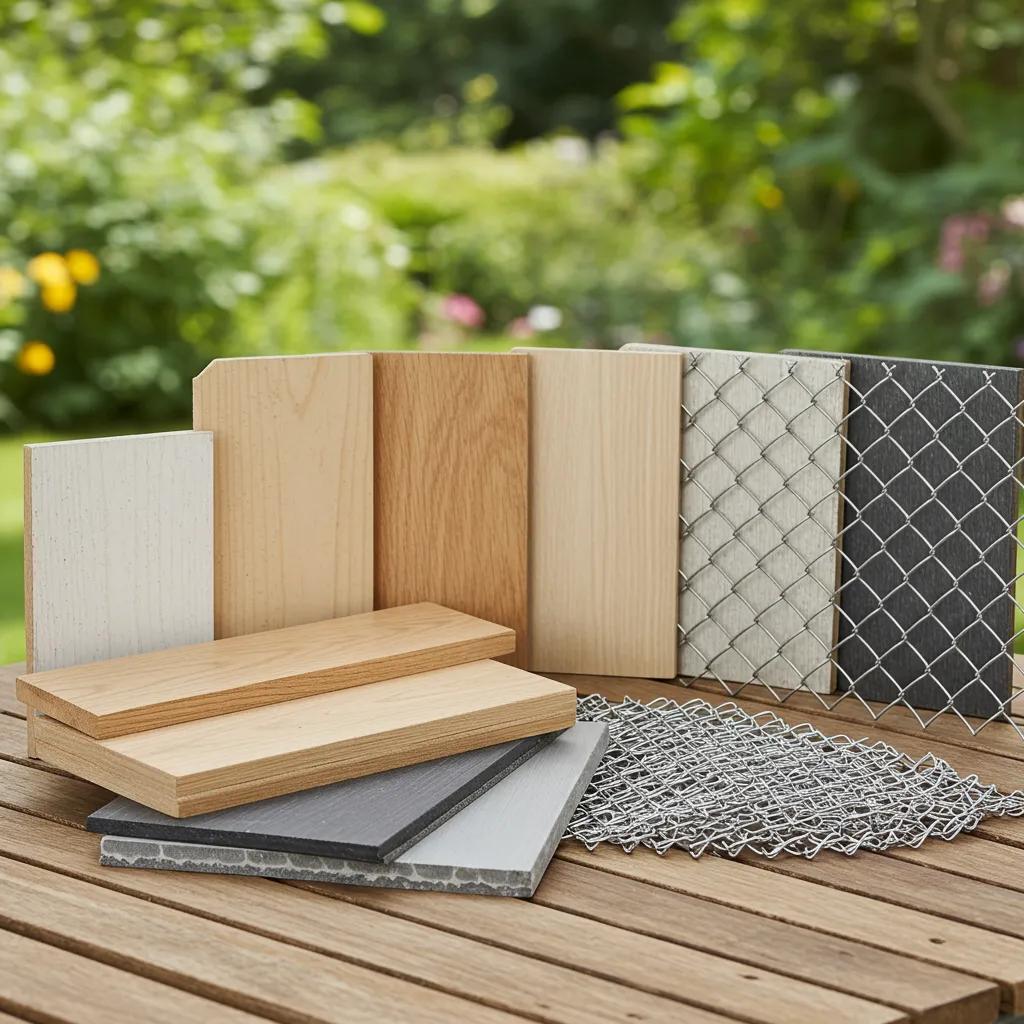
Professional crews commonly install and repair wood, vinyl, aluminum, and chain link fences, each matched to the homeowner’s priorities for privacy, maintenance, and style. Wood offers a natural look and customizability through paint or stain but requires periodic sealing; vinyl reduces maintenance and resists rot; aluminum provides decorative, rust-resistant options for visibility and security; and chain link is efficient for large perimeters or pet containment. Choosing the right material begins with evaluating exposure, wind, salt air proximity, and desired maintenance levels to align performance with aesthetic goals.
How Do We Ensure Compliance with Long Island Fence Regulations?
Compliance starts with a pre-installation code check to identify local height, setback, and visibility-triangle rules that vary by town across Long Island. The process includes preparing permit documents, submitting required drawings, and coordinating inspections to secure approvals before or during installation. Contractors familiar with municipal procedures can expedite application steps and reduce delays related to incomplete paperwork or unapproved plans. Working with a knowledgeable local provider helps homeowners avoid fines, rework, or permit-related hold-ups by aligning project plans with town and county requirements from the start.
What Are the Benefits of Professional Fence Installation for Long Island Homeowners?
Professional fence installation delivers measurable benefits in privacy, safety, and long-term cost control by combining material selection and installation technique to match local site conditions. Expert installation ensures posts are set to correct depths with proper footings and drainage considerations, which reduces leaning and structural failures that cause repeated repairs. A professionally planned and executed fence also enhances curb appeal, which can boost perceived property value and provide consistent, durable boundaries for landscaping, pools, and pets. For Long Island homeowners, professional work accounts for coastal exposures and wind loads to choose resistant materials and finishes that maintain appearance and function across seasons.
A professional fence project typically yields three primary homeowner outcomes:
Privacy and Security: Solid panels, proper gate hardware, and secure posts limit access and reduce lines of sight.
Longevity and Lower Maintenance: Correct installation methods reduce rot and premature deterioration.
Improved Curb Appeal: Thoughtful style choices and finishes complement architecture and landscaping.
How Does a New Fence Improve Privacy, Security, and Curb Appeal?
A new fence creates a physical barrier that enhances privacy by blocking sight lines from neighbors and passersby when designed with solid panels or tall privacy slats. Security improves through well-mounted gates, durable hardware, and properly anchored posts that deter casual trespass while allowing controlled access. Design choices—paint or stain, picket spacing, decorative post caps—directly influence curb appeal and can be selected to complement existing landscape and home style. When homeowners weigh options, balancing privacy needs with local height restrictions ensures functionality without violating codes.
Why Is Choosing the Right Fence Material Important for Durability?
Material choice determines susceptibility to rot, rust, insect damage, and UV degradation—factors that vary across Long Island’s coastal and inland microclimates. Wood needs periodic sealing to resist rot, vinyl resists moisture but can fade over time, aluminum resists corrosion but requires sturdy anchoring, and chain link is cost-effective but less private without add-ons. Matching material to exposure, maintenance willingness, and budget protects long-term value and reduces lifecycle cost. Understanding these trade-offs lets homeowners select materials that meet both aesthetic and durability priorities.
How Does Expert Installation Affect Fence Longevity and Maintenance?
Proper installation addresses key failure points: setting posts below the frost line with full concrete footings, aligning panels to manage wind loads, and selecting corrosion-resistant hardware for coastal environments. Attention to drainage and site grading prevents trapped moisture next to posts and boards, reducing rot and settlement over time. Fastener choice and protective treatments (when applicable) slow deterioration and make future maintenance easier. This workmanship-focused approach minimizes repair frequency and supports predictable lifecycle planning for fence ownership.
What Customization Options Are Available for Residential Fences?
Customization ranges from simple choices like height and finish to integrated features such as arbors, decorative gates, and mixed-material designs that combine masonry or metalwork with wood or vinyl panels. Gate styles and lock hardware can be selected for aesthetic continuity or enhanced security, while post caps and lattice provide visual interest. Mixed-material fences allow durable posts or columns with lighter infill panels to balance cost and style. These customization choices let homeowners achieve privacy, pet containment, or a decorative statement without sacrificing structural integrity.
How Do You Choose the Best Fence Material for Your Long Island Property?
Choosing the optimal fence material begins by matching homeowner priorities—privacy, low maintenance, security, or budget—with site exposures like salt air, wind, and soil type that influence lifespan. Evaluate lifecycle costs by considering initial installation price, expected maintenance tasks, and replacement timelines to find the best total cost of ownership for your situation. Short decision flows help: prioritize privacy (solid wood or tall vinyl), prioritize low maintenance (vinyl or aluminum), prioritize decorative security (aluminum), and prioritize budget for large boundaries (chain link). A concise comparison table below highlights common use cases, pros, and cons to simplify selection for Long Island properties.
Fence Material | Best Use Cases | Pros | Cons |
Wood | Privacy, custom styles | Natural look, customizable | Requires staining/sealing, susceptible to rot |
Vinyl | Low-maintenance privacy | Durable, resists rot and insects | Can fade; higher upfront cost |
Aluminum | Decorative security | Rust-resistant, low maintenance | Less privacy, higher material cost |
Chain Link | Large perimeters, utility | Economical, durable | Limited privacy without slats or screening |
This table clarifies how material properties align with homeowner goals and site conditions, helping to narrow choices based on performance priorities and maintenance willingness.
What Are the Advantages of Wood Fences in Long Island?
Wood fences offer a warm, traditional aesthetic and high customization through picket spacing, staining, and trim choices that complement many Long Island home styles. Species like cedar or pressure-treated pine are commonly used for improved rot resistance, and regular staining or sealing extends service life against rain and humidity. Wood does require periodic maintenance—cleaning, staining, and board replacement—to prevent decay, especially where soil contact or hidden moisture is present. For homeowners prioritizing a natural look and flexibility in design, wood remains an attractive choice when paired with a realistic maintenance plan.
Why Is Vinyl Fence Installation Popular for Low Maintenance and Durability?
Vinyl fencing is popular because it resists moisture, insects, and rot, reducing routine maintenance tasks such as staining or painting. Panels typically clean easily with soap and water and retain structural integrity in humid and coastal climates common to Long Island. While vinyl has a higher initial material cost than basic wood, the lower lifecycle maintenance requirements can make it cost-effective over time. Homeowners should consider wind load and panel reinforcement on exposed lots to prevent bowing or panel movement.
How Does Aluminum Fence Installation Offer Security and Style?
Aluminum offers decorative options—ornamental pickets, powder-coated finishes, and diverse post styles—while resisting corrosion, making it suitable for coastal exposure with proper finish selection. It balances visibility and security by providing a strong, climb-resistant perimeter that does not obstruct sightlines. Aluminum works well around pools, entryways, and front yards where a decorative, low-maintenance barrier is desired. For homeowners who want a stylish, long-lasting fence with minimal upkeep, aluminum is a practical choice.
When Is Chain Link Fence the Right Choice for Your Property?
Chain link is effective when cost-efficiency and durability are primary needs, such as enclosing large yards, sports areas, or temporary perimeters during renovations. It installs quickly, requires little maintenance, and can be enhanced with privacy slats or vinyl coating to improve appearance and privacy. Chain link is also useful where visibility is required for safety or surveillance while providing secure containment for pets or children. This material suits practical, budget-conscious installations or large spans where other materials would be cost-prohibitive.
What Does the Fence Repair Process Involve for Long Island Homes?
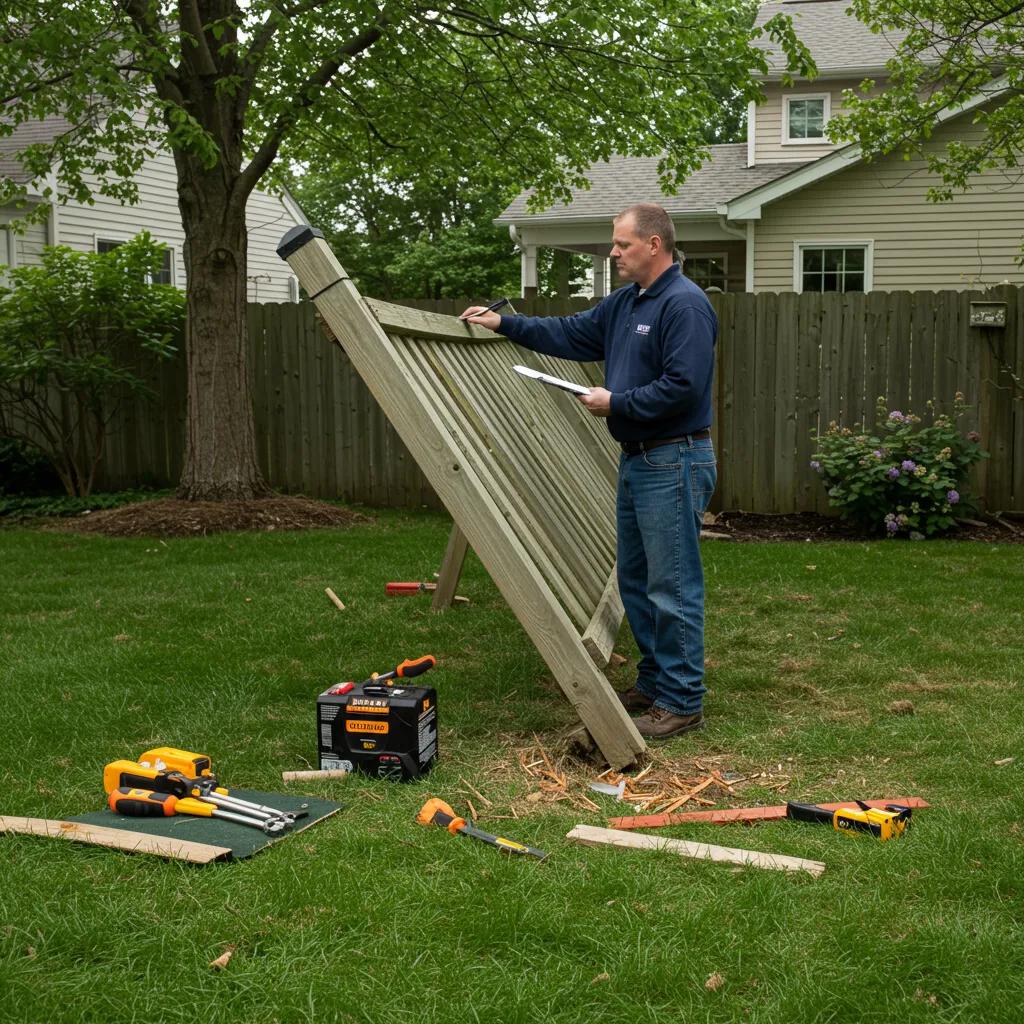
Fence repair begins with a thorough inspection to diagnose structural weaknesses, material degradation, or hardware failure and then matches repair methods to the specific fence material and damage severity. Effective repairs may range from replacing individual pickets and tightening hardware to resetting posts in concrete footings or replacing entire sections where structural integrity is compromised. Timelines vary from a few hours for minor repairs to multiple days for structural work or when permits are required; planning accounts for weather and access constraints. The repair comparison table below summarizes typical repair types, symptoms, methods, and average timeframes to guide homeowner expectations.
Repair Type | Typical Symptoms | Repair Method | Typical Timeframe |
Picket/board replacement | Broken or split boards | Replace boards, secure with new fasteners | Half day – 1 day |
Post repair | Leaning or wobbly fence | Reset or replace posts with proper footings | 1–2 days |
Hardware replacement | Sagging gates, loose hinges | Replace hinges, latches, realign gates | Half day |
Rail or panel replacement | Rusted rails or warped panels | Replace sections, reinforce connections | 1–2 days |
This repair table clarifies common approaches and expected timelines so homeowners can make informed decisions about repair versus replacement and schedule resources accordingly.
How Do We Identify and Fix Common Fence Problems?
A systematic inspection identifies signs like leaning posts, loose pickets, rusted rails, and gate misalignment, which indicate specific repair paths and urgency. Minor issues such as loose pickets or hardware can often be corrected quickly by replacing fasteners and realigning components. Structural problems like rotted posts require excavation, replacement with properly treated or reinforced posts, and new concrete footings to restore strength. Clear diagnosis guides whether repairs will restore function or if replacement is more cost-effective, ensuring resources are allocated efficiently.
What Are the Typical Costs and Timeframes for Fence Repair in Long Island?
Repair costs vary by scope: simple picket replacements and hardware fixes commonly fall in modest single-day budgets, while post replacement and structural repairs increase labor and material costs significantly. Recent local averages indicate common repair ranges that homeowners should expect, with minor repairs on the lower end and structural restorations higher; exact estimates depend on material type, access, and permit needs. Timeframes range from a few hours for simple fixes to multiple days for larger structural work or when municipal inspections are required. For accurate budgeting, request a free on-site estimate to assess damage and obtain a firm quote.
How Can Regular Fence Maintenance Prevent Costly Repairs?
A scheduled maintenance routine extends fence life by catching small issues before they escalate into structural failures that require expensive work. Annual inspections, seasonal cleaning, and timely touch-ups to finishes or fasteners prevent rot, rust, and movement that create larger problems. Simple homeowner tasks—clearing vegetation from fence lines, tightening loose screws, and reapplying protective coatings—significantly reduce long-term repair needs. Proactive care is the most cost-effective strategy to preserve function and appearance across Long Island’s varied weather cycles.
When Is Fence Replacement a Better Option Than Repair?
Replacement becomes preferable when damage is widespread—multiple rotted posts, repeated repairs with short-term outcomes, or when materials are obsolete or incompatible with current code requirements. Consider replacement when cumulative repair costs approach or exceed the value of a new, code-compliant fence with updated materials and warranties. Replacement also provides an opportunity to improve design, add modern hardware, or choose lower-maintenance materials that reduce long-term ownership costs. A professional assessment helps quantify repair-versus-replace trade-offs to determine the most economical path for the property.
How Much Does Fence Installation and Repair Cost in Long Island?
Cost estimates for installation and repair are driven by material selection, fence height, terrain complexity, and any required permits or site prep; understanding per-linear-foot ranges helps homeowners set realistic budgets. Typical per-linear-foot installation averages for common materials (measured at a 4 ft height) reflect material and labor differences that impact total project cost. Below is a cost comparison table to guide initial budgeting and highlight attributes like durability and maintenance expectations.
Fence Material | Typical Cost per Linear Foot (4 ft) | Key Attributes |
Wood | $22.55 | Customizable, moderate lifespan with maintenance |
Vinyl | $29.10 | Low maintenance, durable against rot |
Aluminum | $36.37 | Decorative, rust-resistant, low upkeep |
What Are the Average Prices for Wood, Vinyl, and Aluminum Fence Installation?
Standard estimates place wood installation near the lower-to-mid range per linear foot, vinyl at a mid-range with reduced maintenance, and aluminum at a higher per-foot cost due to decorative finishes and material durability. Price variations occur with taller fences, ornate gates, or reinforcement for wind-exposed sites. Homeowners should anticipate adjustments for site access, grading, and any necessary retaining work. Obtaining a free on-site estimate clarifies scope and produces a firm quote tailored to the property.
How Do Repair Costs Vary by Fence Type and Damage Severity?
Repair costs scale with the material and repair complexity: replacing a few boards on a wood fence is relatively inexpensive, while resetting posts or replacing rails increases labor and material expenses. Aluminum repairs often center on hardware or panel realignment, while chain link fixes can be economical unless posts need replacement. Structural damage that requires excavation, concrete footings, or permit-related work will carry higher costs. Understanding these drivers helps homeowners prioritize maintenance and budget for contingencies.
Are Free Estimates Available for Fence Services?
Many local contractors offer free on-site estimates to assess condition, measure runs, and recommend repair or installation scopes with written quotes that detail materials, labor, and timelines. Securing a free estimate typically involves a site visit where the contractor inspects posts, footings, and terrain, then provides a documented proposal with options and any permit implications. Elite General Contracting Group provides free estimates for homeowners in Long Island; interested parties can contact the company by phone at (631) 552-5330 or by email at EliteGeneralContractingGroup@gmail.com to schedule a consultation. These estimates help align expectations and provide a basis for budgeting and scheduling.
How Can You Budget for Your Residential Fence Project?
Effective budgeting includes line items for materials, labor, permits, gate hardware, and cleanup, plus a contingency for unforeseen site issues such as root systems or rock. A recommended contingency range of 10–20% protects against unexpected costs and delays that commonly arise during groundworks. Consider phasing projects—install main runs first, then add decorative enhancements later—to spread cost over time if needed. Comparing multiple written quotes and asking for itemized costs ensures clarity and supports informed financial planning for the project.
What Are the Local Regulations and Permit Requirements for Fences in Long Island?
Most Long Island towns require permits for certain fence types, heights, or locations, and rules can differ significantly between municipalities; verifying with the local building or zoning department is essential before starting work. Typical regulations distinguish between front-yard and backyard maximum heights, setbacks from property lines, and special rules for corner lots where sightlines impact safety. HOAs may also impose design standards or additional review procedures. Understanding these requirements before installation prevents rework, fines, and delays through informed planning and proper permit submission.
Which Towns in Suffolk County Require Fence Permits?
Permit requirements vary across Suffolk County towns; many require permits for fences that exceed specific heights or for any structure affecting grading or visibility. Homeowners should confirm rules with their town building or zoning office and verify HOA covenants where applicable to determine whether a permit or design approval is necessary. When in doubt, consult local authorities early in planning to identify required documentation, submittal formats, and inspection schedules. Early verification avoids costly changes later and ensures compliance with both municipal and neighborhood regulations.
What Are the Common Height and Setback Restrictions?
Common regulations set different maximum heights for front-yard and backyard fences, often limiting front-yard fences to lower heights (to preserve sightlines) while allowing taller backyard privacy fences. Setbacks typically require fences to sit a fixed distance from property lines, sidewalks, or rights-of-way and include exceptions for corner lots where visibility triangles must remain clear for traffic safety. Municipal codes vary, so homeowners should measure proposed fence locations against local rules and adjust designs where necessary. Confirming restrictions early helps select styles and heights that meet aesthetic goals without violating codes.
How Does Elite General Contracting Group Assist with Permit Applications?
Contractors familiar with local codes can prepare permit documentation, including site plans and drawings, and submit applications on the homeowner’s behalf to streamline approvals. Assistance often covers preparation of required forms, coordination with municipal reviewers, and scheduling of inspections so installations proceed without permit-related interruptions. Elite General Contracting Group offers permit-application support to Long Island homeowners to help navigate local procedures and reduce administrative burdens during fence projects. This practical assistance helps ensure work meets local code requirements and proceeds to final approval smoothly.
What Are the Most Frequently Asked Questions About Fence Installation and Repair in Long Island?
Homeowners commonly ask about project timelines, best styles for privacy, mixing materials for custom designs, eco-friendly or smart technologies, and how to schedule on-site consultations; concise answers reduce uncertainty and speed decision-making. Each question below provides straightforward guidance to help set expectations and prepare for project planning, from initial site photos to receiving a written estimate. The final subsection explains how to request a free consultation and what to prepare for the visit.
How Long Does Fence Installation Typically Take?
Installation time depends on yard size, fence complexity, and site preparation needs; small sections or single gates can be completed in a day, while full-yard installs for an average suburban lot often take two to four days. Factors such as rocky soil, extensive grading, or permit delays can extend timelines, as can additional custom features like masonry posts or decorative gates. Weather and material lead times also influence scheduling, so plan with a buffer for contingencies. Clear communication with the contractor about start dates and project milestones helps homeowners coordinate landscaping and access.
What Fence Styles Offer the Best Privacy for Long Island Homes?
Solid-board wood fences and tall vinyl panels provide the most immediate privacy by blocking sightlines, while lattice or hybrid designs combined with landscaping offer softer visual screening. Privacy needs for backyards and pool enclosures often favor solid panels at permitted heights, whereas front-yard treatments typically require lower, more decorative fencing. Combining plants with fencing can enhance seclusion while reducing the visual mass of a tall barrier. Consider local codes for maximum heights when prioritizing privacy solutions to avoid conflicts with regulations.
Can You Mix Different Fence Materials for Custom Designs?
Mixed-material designs—such as masonry or metal posts with wood or vinyl panels—combine structural durability with stylistic flexibility, balancing longevity and aesthetics in ways single materials may not. Structural considerations include compatible joining methods, differential movement between materials, and proper anchoring to maintain integrity. Mixed approaches can elevate curb appeal and address site-specific needs, such as more robust end posts with lighter infill panels for cost efficiency. Careful detailing and professional installation ensure performance and reduce future maintenance complexities.
How Do Eco-Friendly and Smart Fence Technologies Enhance Your Property?
Eco-friendly materials like recycled-composite boards or sustainably sourced wood reduce environmental impact and often require less maintenance than untreated alternatives, aligning aesthetics with sustainability goals. Smart technologies—sensors, automated gates, and remote monitoring—add convenience and security by providing alerts and controlled access without constant manual oversight. These options can increase initial investment but deliver benefits in reduced maintenance, improved security, and enhanced user experience for tech-forward homeowners. Evaluating cost versus long-term value helps determine which features fit a given property and budget.
How Do I Schedule a Free Fence Consultation with Elite General Contracting Group?
Scheduling a free consultation typically involves contacting the contractor by phone or email to describe the project, provide basic measurements or photos, and arrange an on-site visit for a detailed assessment and written estimate. During the visit, expect a walkthrough, measurement verification, discussion of material choices and permit needs, and a timeline estimate for work commencement and completion. To schedule with Elite General Contracting Group, call (631) 552-5330 or email EliteGeneralContractingGroup@gmail.com to request a free estimate; prepare site photos, an overview of desired fence length and style, and any HOA or municipal constraints you are aware of.
After the consultation, you will receive a written proposal outlining scope, materials, and timing so you can compare options and proceed with confidence.


Comments