


Protect Your Home with Gutter Repair and Cleaning Services

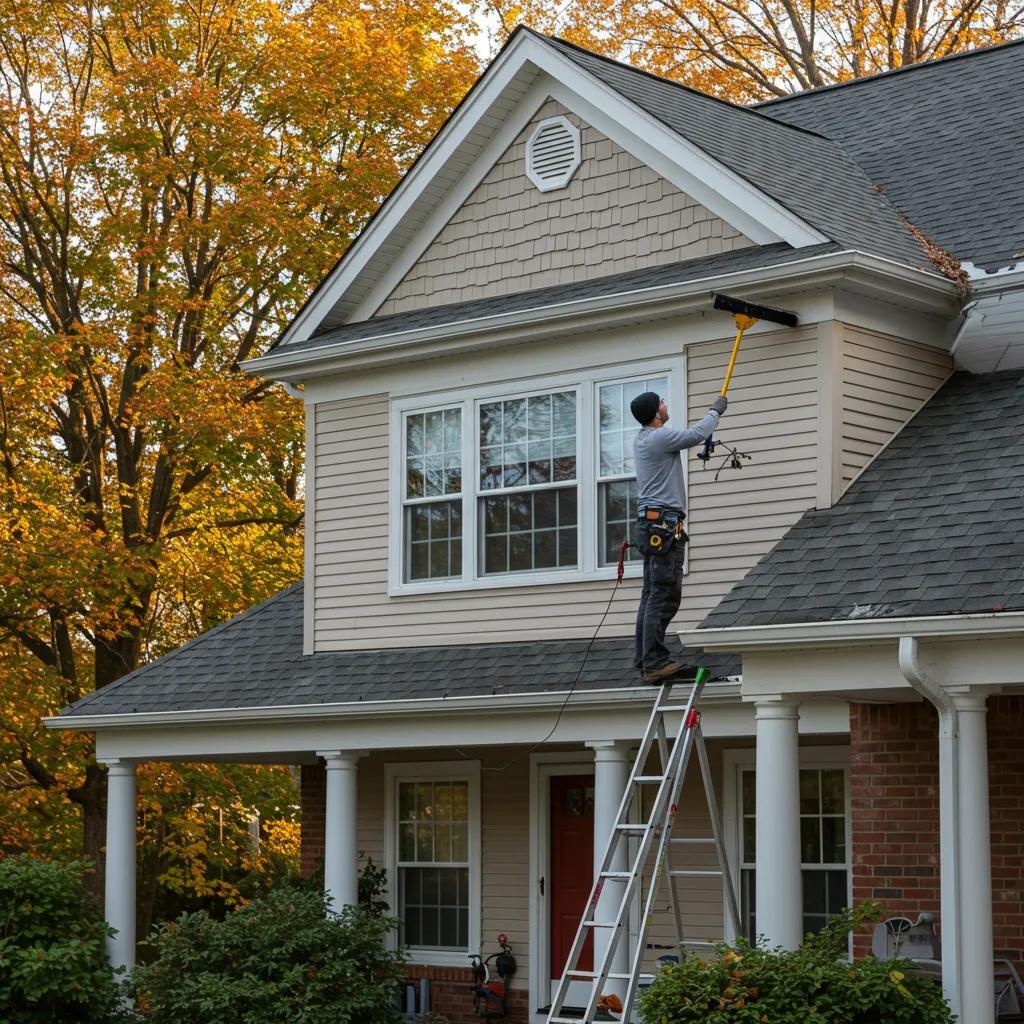
Protect Your Home with Professional Gutter Repair and Cleaning Services in Long Island
Professional gutter repair and cleaning keep roof runoff moving away from your house, preventing water intrusion, foundation damage, and costly exterior deterioration. This guide explains how regular gutter maintenance, timely repairs, and smart upgrades protect Long Island homes from seasonal leaf fall, coastal weather, and freeze–thaw cycles. While the primary focus is on gutters—cleaning, repair, installation, guards, and year–round maintenance—note that Elite General Contracting Group also offers professional residential painting and coordinated exterior work that complements gutter projects. Homeowners will learn the key signs of failing gutters, the repair and installation options available, seasonal checklists tailored for Long Island conditions, and cost drivers that affect cleaning and repair pricing.
Why Is Gutter Cleaning Essential for Long Island Homeowners?
Gutter cleaning is the routine removal of debris that blocks channels designed to redirect roof water, and it works by restoring unobstructed flow so runoff reaches downspouts and dispersal points safely. Regular cleaning prevents localized overflow that can cause siding rot, basement infiltration, and landscape erosion — common outcomes when gutters are clogged. In Long Island, abundant deciduous trees, coastal winds, and seasonal storms increase debris loads and the frequency at which gutters clog, making cleaning essential for local homeowners. Understanding how cleaning prevents damage leads into the specific mechanics of water control and why inspecting gutters after storms matters.
How Does Gutter Cleaning Prevent Water Damage?
Gutter cleaning prevents water damage by ensuring the channels that carry roof runoff remain clear so water flows through downspouts away from the foundation, minimizing soil saturation and hydrostatic pressure. When gutters overflow, water follows the path of least resistance, wetting siding, entering attics, or pooling at the foundation, which can cause structural deterioration and mold growth over time. Professionals use a combination of debris removal, flushing, and visual inspection to confirm proper slope and outlet function, which restores designed drainage mechanics. Regular cleaning paired with visual checks reduces the risk of unseen slow leaks that later become costly repairs and sets the stage for informed decisions about repair or guard installation.
What Are the Signs Your Gutters Need Cleaning?
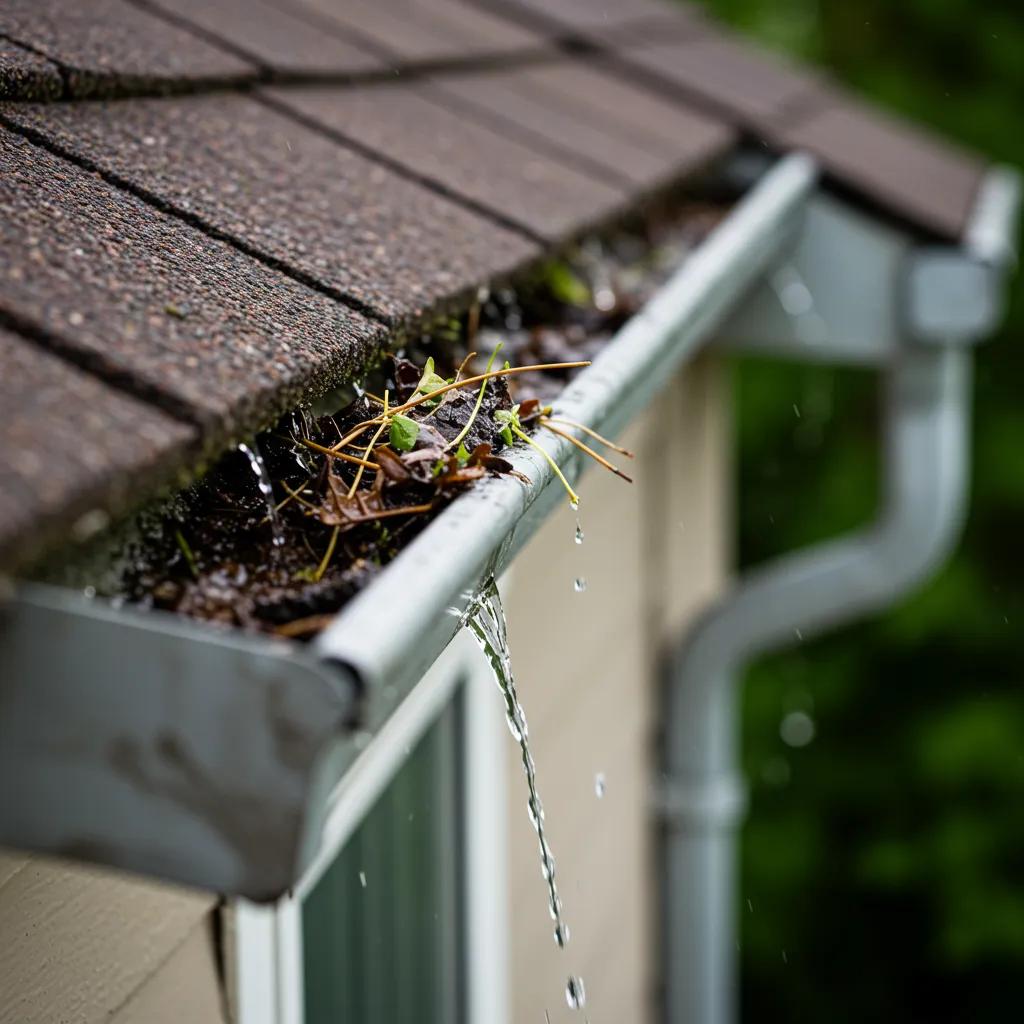
There are clear visual and functional indicators that your gutters need cleaning: visible debris accumulation, overflowing water during rain, sagging sections, and staining on siding or fascia are primary signs. Inside the house, warning signals include basement dampness, water stains on ceilings, or musty odors that suggest runoff is entering the envelope rather than being diverted. Inspectors also look for peeling paint on fascia and moss growth along roof edges, which often accompany chronic clogging and reduced roof ventilation. Recognizing these signs early allows homeowners to schedule cleaning before a storm produces immediate damage, which is especially important in town neighborhoods with heavy tree cover.
How Often Should Gutters Be Cleaned in Long Island?
A baseline schedule for Long Island is at least twice a year—late spring and late fall—to clear pollen, spring blossoms, and the bulk of autumn leaves; however, properties with many trees, steep roof pitches, or nearby pine stands often require quarterly checks. After major storms, immediate inspection and spot cleaning are prudent because wind and coastal storms can pack high volumes of debris into channels and downspouts. Seasonal scheduling reduces the chance of ice dam formation in winter by preventing trapped water and organic material that retains moisture near eaves. Establishing a predictable cleaning routine also helps homeowners plan bundled exterior services, such as trim painting, that benefit from clear gutters and dry fascia.
Can Professional Gutter Cleaning Protect Your Home’s Foundation?
Yes—professional gutter cleaning protects a foundation by ensuring roof runoff is carried away from the base of the house, preventing soil saturation and erosion that undermine footings. Clean gutters and properly functioning downspouts reduce the frequency of water pooling that stresses foundation walls and basement finishes, lowering the likelihood of cracks and interior leaks. Professionals assess outlet placement and may recommend extensions or splash blocks to improve dispersion, which preserves grading and landscaping integrity. Preventive cleaning and minor adjustments are a cost–effective investment compared with foundation repairs, and they directly protect long–term home value in coastal and suburban Long Island neighborhoods.
What Are the Most Common Gutter Repair Issues in Long Island?
Common gutter repair issues include leaking seams, sagging hangers, detached sections, and clogged or disconnected downspouts; these problems typically result from heavy debris loads, wind damage, or corrosion in coastal environments. Repair decisions hinge on the extent of damage, material condition, and whether recurring failures suggest replacement is more economical than repeated fixes. Effective triage distinguishes temporary patching from permanent repair methods and determines when emergency intervention is necessary after storms. Understanding these common issues helps homeowners prioritize safety and budgeting for long–term system performance.
How to Identify Leaky, Sagging, or Detached Gutters?
Leaky or sagging gutters reveal themselves through water stains beneath seams, visible gaps at joints, and sections that pull away from the fascia; a simple visual inspection during rainfall often highlights active leaks as water streams over the edge. Homeowners can safely perform basic checks from ground level using binoculars or by noting pooling near the foundation after storms, but dangerous heights or unstable roofs require professional evaluation. Technicians look for rust, warped profiles, missing hangers, and loose fasteners during a diagnostic inspection and report on whether repair or replacement provides better ROI. Identifying these signs early prevents further structural strain on roof edges and fascia boards and informs the next repair steps.
What Are Effective Gutter Repair Methods?
Effective repair methods include resealing seams with approved sealants, replacing damaged end caps, reinstalling or adding hangers to restore proper slope, and replacing short damaged sections with matching material. Re–slope adjustments correct standing water, new hangers restore load distribution, and downspout reconnection or extension resolves dispersal failures; each method addresses a specific functional failure rather than cosmetic issues alone. Materials matter: aluminum patches, stainless fasteners, and compatible sealants extend repair life, while repeated patching may indicate the system is beyond economical repair. Evaluating temporary fixes versus comprehensive replacement ensures repairs deliver durable performance and reduces repeat service calls.
When Is Emergency Gutter Repair Necessary?
Emergency gutter repair is necessary when a detached section threatens safety, heavy leakage occurs during an active storm, or downspout failure is causing immediate interior or foundation water intrusion. In these situations, interim measures—such as temporarily rerouting runoff with tarps or installing a short–term downspout extension—can reduce damage until technicians complete a secure repair. Safety is a priority: unstable gutters that hang loose can present fall hazards and require professionals with proper equipment and protocols. Rapid response minimizes water exposure to structural elements and prevents the escalation of localized issues into major repairs.
How Does Downspout Repair Impact Gutter Functionality?
Downspouts are the critical meronym of a gutter system that translates channel flow into safe dispersion; when downspouts are clogged, crushed, or disconnected, the entire system's effectiveness collapses because water cannot exit the gutter path efficiently. Repair tasks often include clearing blockages, reattaching loose outlets, extending discharge points beyond foundation grading, and ensuring proper slope away from the house, all of which restore flow and prevent pooling. A functioning downspout system protects landscaping and prevents basement seepage, while strategic extensions can facilitate rainwater harvesting or direct flow to drainage swales. Prioritizing downspout integrity is therefore essential to overall gutter performance.
How Does Gutter Installation Enhance Home Protection in Long Island?
Proper gutter installation ensures correct sizing, slope, and secure attachment, which together prevent overflow, reduce leak risk, and protect roofing, siding, and foundations from water damage over decades. Professional installation addresses local climate factors—salt air exposure, seasonal storms, and tree debris—by selecting suitable materials and fastening systems that resist corrosion and wind uplift. Coordinating gutter installation with exterior painting, fascia repair, or trim work creates a cohesive exterior project that improves aesthetics and long–term protection. Homeowners benefit from clearer warranties and better alignment between systems when installation is performed by teams experienced with comprehensive exterior projects.
What Types of Gutters Are Best for Long Island Homes?
Choosing between seamless aluminum gutters, copper gutters, vinyl, and galvanized steel requires weighing durability, cost, and local climate tolerance; seamless aluminum is a common hyponym offering corrosion resistance and cost effectiveness, while copper provides longevity and aesthetic value at higher expense. Seamless systems reduce leak points because they eliminate joints along runs, which is advantageous in coastal and storm–prone Long Island settings where seams can be high–maintenance. Vinyl is low cost but can become brittle in cold cycles, and steel offers strength but requires protective coatings to resist salt air corrosion. Selecting the right material balances visual preference, budget, and expected lifespan for your property.
Before the comparison table below, this table outlines typical attributes to guide material selection for Long Island homes.
Material | Durability / Lifespan | Typical Cost Impact |
Seamless Aluminum | High resistance to rust, 20+ years with proper care | Moderate; good long–term value |
Copper | Excellent longevity, attractive patina, 50+ years | High initial cost |
Vinyl | Corrosion–free but less UV/temperature durable | Low initial cost; may need replacing sooner |
Galvanized Steel | Strong, can resist impacts; requires coating in coastal areas | Moderate; maintenance required |
This comparison highlights trade–offs so homeowners can match material choices to local conditions and budget priorities.
What Is the Process for New Gutter Installation?
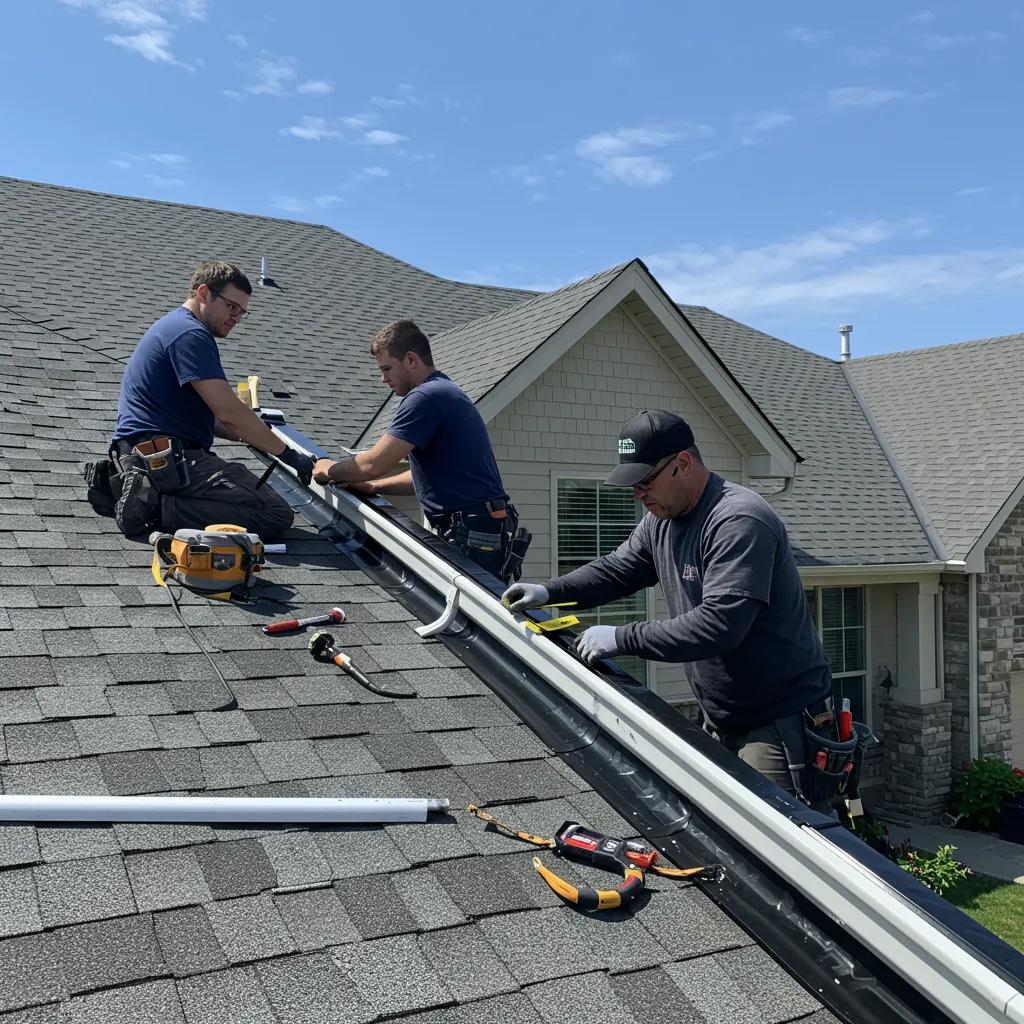
New gutter installation begins with a professional inspection and precise measurements to establish run lengths, downspout placement, and optimal pitch for drainage; this planning step prevents common installation errors. Installation proceeds with removal of old material if necessary, fabrication or delivery of seamless runs, secure fastening to fascia with hangers, sealing of outlets and end caps, and careful attachment of downspouts with proper dispersal features. Final steps include flow testing and cleanup to confirm there are no leaks and that the system directs runoff safely away from the foundation. Coordinating installation with exterior painting or fascia touch–ups ensures a polished finish and can reduce total project disruption.
When Should You Replace Your Gutters?
You should consider replacement when gutters show chronic leaking at seams despite repairs, extensive corrosion, repeated sagging, or when their age and performance no longer justify ongoing fixes relative to replacement ROI. If repair costs accumulate or if multiple components—hangars, end caps, and long runs—require frequent work, replacement provides a longer–term solution and can enhance curb appeal. Replacement is also advisable when homeowners undertake exterior renovations such as siding or painting to ensure new systems align visually and functionally with other upgrades. Evaluating replacement alongside related exterior projects often yields cost savings and improved overall performance.
How Do Seamless Gutters Provide Enhanced Durability?
Seamless gutters are fabricated to match the exact length of a roofline, reducing the number of seams and therefore the number of potential leak points, which translates into fewer maintenance interventions over time. Custom fitting minimizes joints, improving flow continuity and lowering the chance of seam separation under heavy debris loads or freeze–thaw stress. Although initial installation of seamless systems can be costlier than sectional kits, the long–term durability and reduced leak risk often justify the investment, especially in areas with heavy storms. Homeowners should weigh the upfront cost against maintenance savings and aesthetics when choosing seamless options.
What Are the Benefits of Gutter Guards and Protection Systems?
Gutter guards and protection systems reduce the frequency of cleaning by preventing large debris from entering channels, and they work through mechanisms such as filtration, deflection, or physical barriers to keep gutters functional longer. Guard choice affects performance: micro–mesh filters fine particles but cost more, reverse–curve systems deflect leaves but may struggle in heavy rain, and brush inserts are inexpensive but less durable. Installing guards does not eliminate the need for periodic inspection, but it can shift maintenance from frequent cleanings to occasional checks, saving time and reducing fall–risk for homeowners. Understanding guard types and matching them to local leaf and needle profiles yields the best long–term results.
Which Types of Gutter Guards Are Available?
There are several guard hyponyms homeowners commonly choose from: micro–mesh systems that filter fine debris, reverse–curve covers that shed leaves off the edge, and brush or foam inserts that block large material but require periodic removal. Micro–mesh offers high filtration but may be more expensive to install; reverse–curve works well for broadleaf debris but can cause overspill in torrential downpours; brushes are cost–effective but trap debris themselves and need cleaning. The best option depends on roof pitch, prevailing foliage types, and the homeowner’s maintenance preferences. Balancing upfront cost with expected maintenance reduction helps select the right product.
How Do Gutter Guards Reduce Cleaning Frequency?
Gutter guards reduce cleaning frequency by intercepting leaves and large debris at the roof edge, thereby preventing accumulation inside the channel that leads to clogs and standing water. By keeping the primary flow path clear, guards minimize the formation of compacted organic matter that accelerates corrosion and attracts pests. Nevertheless, guards do not eliminate maintenance entirely—fine particles, pollen, and small shingle grit can still accumulate and should be inspected seasonally. Implementing guards often shifts maintenance to occasional top–up cleaning instead of full channel clearing, which can be beneficial for safety and long–term upkeep.
What Is the Installation Process for Gutter Guards?
Professional guard installation begins with an assessment of roof type, gutter profile, and debris patterns to recommend an appropriate guard system, followed by secure attachment methods that do not compromise the gutter’s structural integrity. Installation steps typically include prepping the roof edge, fitting or fastening guard sections, ensuring proper overlap at seams, and verifying unobstructed downspout outlets through flow testing. Time on site depends on system type and house complexity; installers also confirm that guards do not void existing warranties or interfere with roof flashing. Proper installation maximizes guard performance and reduces the need for follow–up adjustments.
How to Choose the Right Gutter Guard for Your Home?
Choosing the right guard requires evaluating common debris types (pine needles vs. broad leaves), local weather patterns, roof pitch, and budget, then matching those factors to guard characteristics like mesh fineness and attachment method. Homeowners with heavy needle loading should prioritize micro–mesh systems, while those with larger leaf loads might prefer reverse–curve or screened solutions; low budget options exist but often demand more follow–up maintenance. Consulting with a professional provides tailored recommendations and can reveal bundled–service opportunities when coordinating guard installation with painting or fascia work. The decision balances upfront cost, expected maintenance reduction, and long–term effectiveness.
How Can You Maintain Your Gutters Year–Round in Long Island?
Year–round maintenance involves seasonal tasks that address spring pollen, summer storms, fall leaf drop, and winter freeze risks, and it combines scheduled inspections with timely cleaning and small repairs to prevent major failures. A clear seasonal checklist tailors actions—such as spring flushing and winter ice–dam prevention—to Long Island’s climate, while proactive repairs extend the life of gutters and downspouts. Balancing DIY tasks with professional inspections reduces risk and keeps gutters serviceable throughout the year. Below is a concise maintenance checklist to guide homeowners through each season.
What Is a Seasonal Gutter Maintenance Checklist?
Season | Task | Recommended Frequency |
Spring | Remove pollen, flush channels, inspect hangers | Once in spring |
Summer | Inspect after storms, trim overhanging branches | After major storms |
Fall | Clear leaves, check downspouts, install guards if needed | Twice in fall peak |
Winter | Monitor for ice dams, remove icicles safely, ensure downspout flow | As needed during freezes |
How Does Regular Maintenance Prevent Costly Repairs?
Regular maintenance prevents costly repairs by catching small problems—loose hangers, minor leaks, or clogged outlets—before they escalate into structural damage to roofing, siding, or foundations that require expensive remediation. Scheduled cleaning and minor adjustments reduce stress on fasteners and seams, prolonging material life and lowering total cost of ownership for gutter systems. A brief example: replacing a single worn hanger is far less expensive than repairing fascia rot caused by prolonged overflow. Investing modestly in routine maintenance therefore delivers measurable ROI by averting larger interventions.
Should You Hire a Professional or DIY Gutter Maintenance?
Deciding between DIY and professional maintenance hinges on safety, roof access, system complexity, and the homeowner’s comfort with working at height; simple single–story systems with easy access can often be maintained by confident DIYers. However, multi–story homes, complex gutter profiles, or recurring clogs warrant professional service for safety and a thorough diagnostic inspection. Professionals perform flow tests, identify hidden damage, and recommend long–term fixes such as downspout extensions or guard upgrades that DIY approaches may miss. When in doubt, scheduling a professional inspection delivers clarity about needed work and cost options.
What Are the Typical Costs of Gutter Maintenance in Long Island?
Cost drivers for gutter maintenance include overall gutter length, accessibility, debris volume, and whether minor repairs or guard installations are required; these factors determine labor time and any materials needed. Below is a breakdown of typical cost factors and their impact to set homeowner expectations and promote transparency during quoting.
Cost Factor | Typical Impact | Why It Matters |
Gutter length / stories | Major influence on labor time | More linear feet or height increases time and safety measures |
Debris level | Moderate to high impact | Heavy, compacted debris requires more labor and disposal |
Accessibility | High impact | Difficult rooflines or staging increase complexity and cost |
Accurate on–site estimates provide the clearest pricing, and bundling services—such as gutter cleaning with exterior painting—can offer efficiency and value for homeowners planning multiple exterior projects.
Why Choose Elite General Contracting Group for Gutter Services in Long Island?
Elite General Contracting Group combines exterior trade experience with coordinated service offerings—such as professional residential painting—that allow homeowners to tackle gutters and related exterior updates in a single project. Their local knowledge of Long Island weather patterns and foliage informs seasonal service plans and material choices specific to coastal and suburban properties. Typical engagements include inspection, cleaning or repair, and coordination with exterior painting or fascia work to ensure results that are both durable and visually cohesive. For homeowners seeking bundled exterior solutions and an aligned schedule between gutter work and painting, this integrated approach reduces project friction and simplifies planning.
What Local Expertise Does Elite General Contracting Group Offer?\
Elite General Contracting Group applies familiarity with Long Island’s climate, tree species, and storm patterns to create service plans that match local demands and seasonal timing. That local insight helps prioritize tasks such as late–fall leaf removal, pre–winter slope checks to minimize ice dams, and paint–touch coordination after gutter replacement to preserve appearance. Teams that understand neighborhood constraints, typical roof types, and vegetation patterns can recommend targeted solutions rather than one–size–fits–all fixes. This area–specific perspective improves longevity and reduces repetitive service needs by tailoring work to local conditions.
How Do Experienced Technicians Ensure Quality Gutter Repair and Cleaning?
Experienced technicians follow structured inspection and repair protocols that include a visible checklist, debris removal, flush testing, slope verification, and secure fastening with appropriate hangers and sealants. They use proper tools and safety practices to protect both the crew and the home while documenting findings and recommended next steps. Quality assurance includes a final flow test and homeowner walkthrough to confirm performance and expectations. These standardized processes produce consistent results and provide homeowners with clear service outcomes.
What Customer Satisfaction Guarantees Are Provided?
While specifics vary by engagement, a clear satisfaction framework involves timely follow–up for any rework requests, transparent reporting of completed tasks, and a commitment to address craftsmanship concerns promptly. Communicating re–service policies and simple warranty language helps homeowners understand the recourse available if issues reappear shortly after service. Encouraging feedback and maintaining accessible documentation contributes to higher satisfaction and clearer expectations about post–service care. This approach aligns with best practices for reliable workmanship and homeowner peace of mind.
How Can You Get a Free Estimate for Gutter Services?
Requesting a free estimate typically involves providing basic information such as home size, number of stories, and notes on tree coverage so a team can schedule an accurate on–site inspection and written quote. Preparing photos or measurements speeds the process, and being ready to discuss recent storm history or persistent issues helps technicians prioritize what to inspect. Expect an inspection that assesses gutter length, access, downspout condition, and any associated exterior work—such as fascia painting—to produce a comprehensive proposal. A clear estimate streamlines decision making and can include bundled options when combining gutter work with exterior painting.
What Are the Most Frequently Asked Questions About Gutter Repair and Cleaning?
This FAQ section answers common homeowner questions directly, focusing on costs, DIY decisions, guard effectiveness, risks of neglect, and Long Island weather impacts to support informed choices and find quick, actionable answers.
How Much Does Gutter Cleaning Cost in Long Island?
Gutter cleaning cost depends primarily on gutter length, number of stories, debris level, and accessibility; properties with easy access and light debris are less expensive than tall homes with compacted leaf build–up. Typical pricing factors include labor for debris removal, flushing, and minor repairs such as tightening hangers, with on–site inspection providing the most accurate quote. Bundles that combine cleaning with small repairs or exterior painting can change per–project cost dynamics and often provide better overall value. For precise figures, homeowners should request an on–site estimate that accounts for unique property conditions.
Can I Clean My Own Gutters or Should I Hire a Professional?
DIY cleaning is feasible for single–story homes with easy roof access and when the homeowner is comfortable with ladder safety, but multi–story homes, complex rooflines, or recurring clogs are better handled by professionals. Professionals bring safety equipment, diagnostic skill to spot hidden damage, and the experience to recommend lasting fixes, not just temporary clearing. Hiring a pro also reduces fall risk and can bundle inspection findings into a maintenance plan that minimizes long–term costs. When safety or system complexity is in question, professional service is the prudent choice.
Do Gutter Guards Really Work to Prevent Clogs?
Gutter guards are effective at reducing large debris entry and lowering cleaning frequency when matched to the homeowner’s debris profile, but no guard guarantees zero maintenance; micro–mesh systems perform best for fine particles, while other types prioritize larger leaf exclusion. Guards change maintenance from frequent cleaning to periodic checks and top–up removal, but they still require inspection to maintain proper flow and to ensure no trapped debris accumulates above the guard. Understanding expected performance and maintenance trade–offs helps set realistic expectations for guard investments.
What Are the Risks of Ignoring Gutter Repairs?
Ignoring gutter repairs increases the risk of water infiltration into roof decks, siding damage, foundation settling from saturated soils, and interior leaks that lead to mold and structural concerns, any of which can lead to large repair bills. Clogged or detached gutters can also create safety hazards if sections collapse under debris weight, and chronic overflow accelerates deterioration of exterior finishes and landscaping. Early repairs are usually modest in cost relative to the expense and disruption caused by deferred action. Preventive care therefore protects property value and reduces emergency scenarios.
How Do Long Island Weather Conditions Affect Gutter Maintenance?
Long Island’s weather—coastal salt air, seasonal storms, heavy autumn leaf fall, and freeze–thaw winters—creates a maintenance cycle that requires attentive scheduling and materials chosen for corrosion resistance and storm durability. Salt air accelerates corrosion in some metal systems, so material choice and protective coatings matter near the shore; strong storms and wind increase debris loading and can dislodge hangers. Winter freeze cycles raise the risk of ice dams if gutters hold debris and water, so fall cleaning and winter monitoring are particularly important. Tailoring maintenance to these local conditions reduces risk and extends system life.

Comments